
Why Windows Get Condensation in the Winter (And What You Can Do About It)
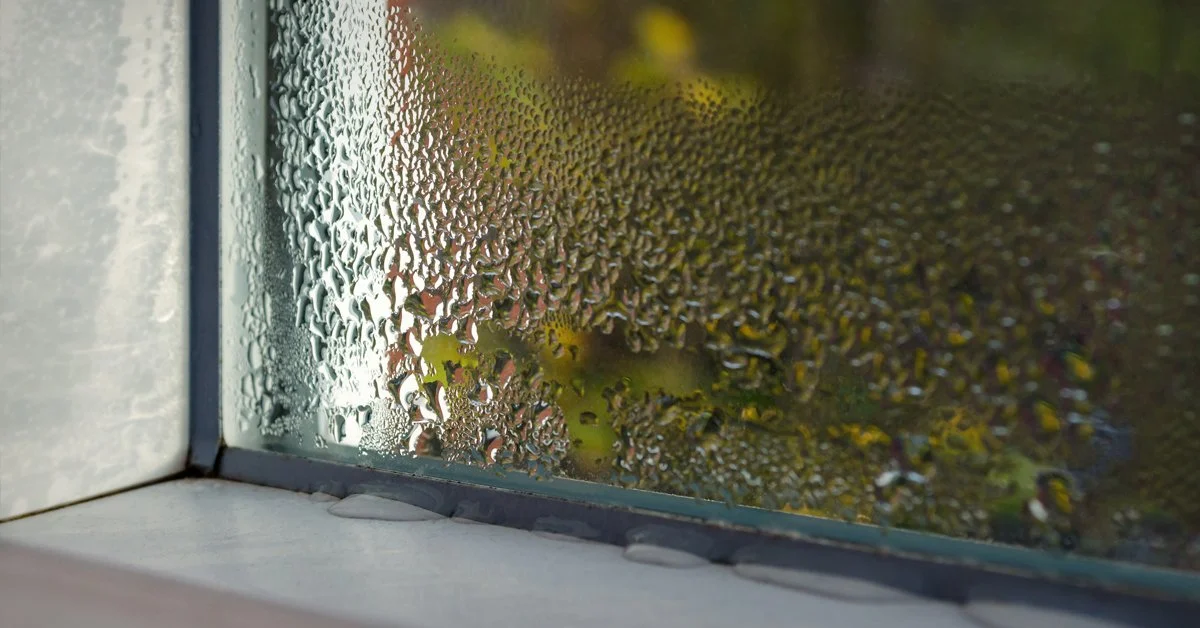
As temps drop outside, your windows might see some extra moisture gathering inside. Condensation in the winter months can cause some concern for homeowners, but is it a reason to replace your windows?
Key Takeaways for Homeowners
Condensation forms when cold and hot air come into contact.
Excessive condensation can be a sign of bigger problems.
There are some simple solutions to reduce condensation.
Replacement windows might be necessary when other methods don’t work.
The right materials, construction, and features can help prevent condensation and reduce your energy bills.
How Does Condensation Form On Windows?
Condensation is a natural part of temperature changes. When cold air meets warm, humid air, water vapor condenses on any cooler surface. For homes, that’s typically glass, metal, or solid surfaces like vinyl, laminate, or stone. And since the biggest temperature differences are around windows and doors, you’ll see condensation there first.
Temperature Differences
The first thing that creates condensation is the difference between outdoor and indoor air temperatures. As outdoor temps drop, we turn up the heat inside to stay comfortable. But the difference between the outside and inside temperatures creates opportunities for water vapor to condense around cold spots.
Windows and doors are the most common areas for these cold spots, so that’s where you find condensation when the weather gets cold.
Indoor Humidity
In addition to the temperature difference, indoor humidity can cause condensation to form more quickly and in greater amounts. And in the winter, when houses are sealed up tighter, moisture from cooking, washing dishes and clothes, and bathrooms can become problematic around windows.
Air Flow Issues
Sealed windows and closed doors prevent air from circulating through a home, resulting in increased humidity. Again, bathrooms and kitchens can be problem areas for increased humidity, especially if exhaust fans aren’t running enough.
Should I Be Concerned When I See Condensation On My Windows?
Generally speaking, condensation isn’t a serious concern. In fact, condensation is more common in well-insulated homes because there is less air flow due to a tighter envelope. However, there are a few situations where condensation requires extra attention.
Excessive Condensation
A little condensation isn’t alarming, but too much could cause problems. When it takes more than a couple of paper towels in the morning to clean up the condensation around your window, it might be worth some concern.
Condensation that Causes Damage to Windows, Sills, and Frames
Condensation that pools on wood, drywall, or other water-permeable surfaces can cause significant damage. Left unaddressed, that excess moisture can cause mold growth and rot.
Condensation Between Window Panes
Condensation around window edges is a concern, but condensation or fog between window panes is always a problem. When condensation forms between glass panes, your windows have an air leak. Your window has lost its inert gas fill and no longer offers the temperature break it was designed to provide.
How Do I Get Rid of Condensation On My Windows?
There’s a good chance your condensation issues aren’t signs of critical window failure. Try these simple home remedies and adjustments to reduce or eliminate condensation around your windows:
Home Remedies for Condensation
Simple changes to your window care routine could reduce condensation enough to prevent damage. Some of the more common solutions include:
Tracking humidity levels and adjusting humidifiers as needed
Raising blinds or leaving them slightly open for more airflow
Increasing ventilation with fans or exhaust vents
Adding water-absorbing plants to your rooms
Keeping indoor temperatures stable
Reducing shower times
Using dehumidifiers
Insulation and Temperature Break Improvements
Better insulation can keep interior temperatures more stable and keep cold air out more effectively. Plastic coverings for especially cold areas of your home could also improve the temperature breaks of windows.
Replacement
Window replacement is the most dependable route for reducing condensation. Updated technologies, better weather barriers, and materials less susceptible to rot and warping can reduce condensation issues dramatically.
When Does Condensation Mean Replacing Windows?
A little condensation? No need to worry. Just wipe it up, adjust your routines, and keep going. But when the signs point to major problems you can’t solve on your own, you’ll need to replace your old windows to prevent damage, rot, mold, and significant energy costs. Here’s what you need to look for:
Excessive Condensation That Doesn’t Clear with Other Adjustments
If you’ve tried all the tips and tricks to reduce condensation and nothing has worked, you may be dealing with long-term issues like deterioration or shifting, or you could be dealing with failed seals on the windows themselves.
Condensation Between Glass Panes
When the inert gas between window panes leaks out, you lose all the insulating benefits of your windows. Condensation between glass panes shows that moisture and air have replaced the initial gas fill, allowing heat to travel through the window more easily.
Extensive Damage to Frames, Woodwork, or Walls
Water damage from excessive condensation can compromise your windows, walls, and framing. If you can’t fix it with silicone caulking and refinishing, it’s time to consider replacement options.
Mold Growth
Excess moisture and fluctuating temperatures are ideal for mold growth. If you’re finding mold around your windows, you’ll need to replace both the windows and the materials around them to prevent further growth.
What Types of Windows Minimize Condensation in the Winter?
When your windows need to be replaced, cutting your upfront investment could end up costing you far more in the long run. Energy-efficient windows not only reduce your heating and cooling costs, but they can also keep your furniture and finishes safe from ultraviolet light damage and reduce condensation by stabilizing temperatures year-round.
Make sure your replacement windows cover these four key factors:
High-Efficiency Certifications

High R-value and U-Factor ratings indicate your windows are ready to keep your home comfortable year-round. You’ll experience fewer drafts, less cold air, and less condensation around windows with high-efficiency ratings. Look for ENERGY STAR® certifications and NFRC labels to ensure your new windows provide superior energy efficiency.
The ProVia Difference: ProVia offers windows that carry high ratings from NFRC and ENERGY STAR certifications, along with some of the lowest U-Factor ratings in the world. It’s up to you how far you want to go.
Double- and Triple-Paned Glass
Double-paned windows are far more energy-efficient than single-paned windows, offering a superior thermal break between the outside and inside climates. Triple-pane windows provide an additional layer of insulation, improving comfort even in the coldest temperatures.
The ProVia Difference: Argon-filled double-pane and triple-pane glass windows are designed to last, improving condensation resistance in extreme temperatures. Krypton gas further increases the R-value to amazing levels.
Rigid and Nonreactive Materials
Over time, wood-framed windows can rot and fall apart due to moisture issues. Modern replacement windows use materials like vinyl, aluminum, and fiberglass for better durability and stability. These nonreactive materials are impervious to moisture and provide a longer-lasting installation.
The ProVia Difference: From SunShield® vinyl to INNERGY® thermal reinforcement, every element of our windows is designed with longevity and energy efficiency in mind.
Low-E Coatings and Energy Efficient Features
Other energy-efficiency features can make your windows even more effective at resisting condensation and reducing your energy costs.
High-quality windows come with special coatings that reduce both UV and infrared light transmission, reducing the solar heat gain coefficient (SHGC) and keeping interior furnishings safe from fading. Weatherstripping that prevents moisture and drafts makes it harder for condensation to form around cold spots. And rigid foam insulation built into the window frame adds thermal mass & can reduce heat transfer even more.
The ProVia Difference: The SuperSpacer® warm-edge spacer is a thermally resistive material, unlike metal spacers, which are highly conductive. This results in some of the lowest U-Factor ratings worldwide among dual-sealed systems, while the graphite polystyrene rigid foam insulation reflects radiant heat and increases the R-value as outside temperatures drop.
South Dakota Window & Door: Your Trusted Source for Window Replacement in Sioux Falls, Mitchell, and Rapid City
When your windows need replacing, you can trust South Dakota Window & Door for the most energy-efficient replacement windows in South Dakota, whether you’re on the east or west end of the state. Our friendly experts can help you find the right series for your needs and budget, and our installers ensure that your new windows are performing as designed.
Reach out today to get a free quote for your home!